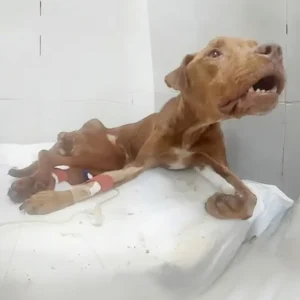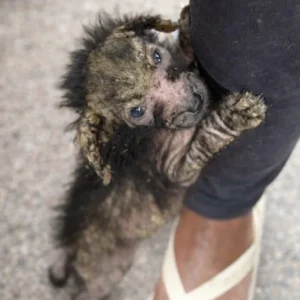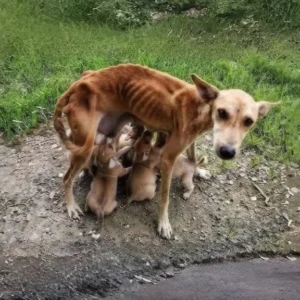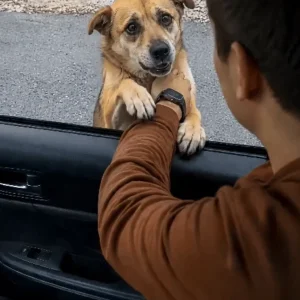
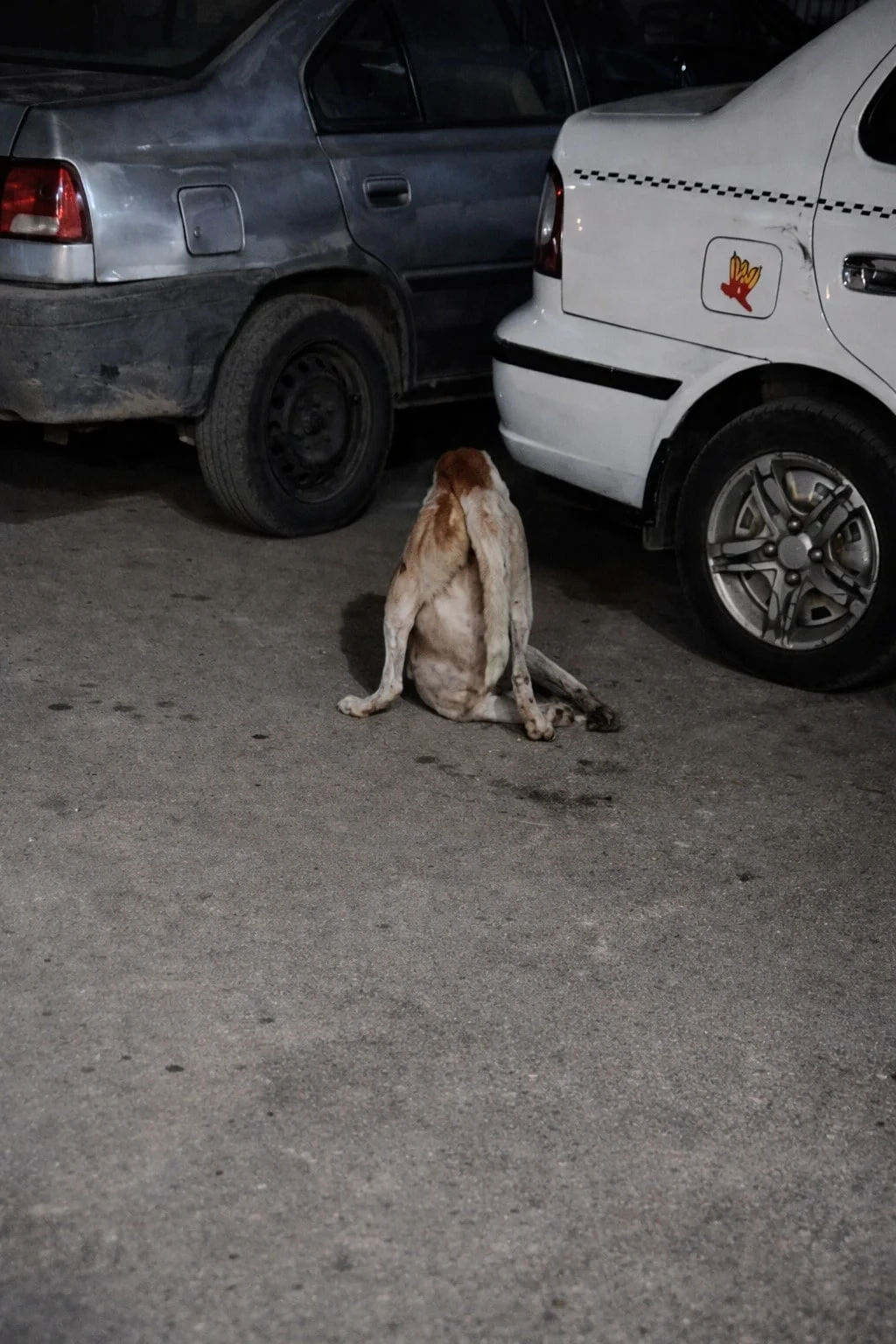
Cleopatra was found alone on the streets, her tiny body dragging along the pavement in a way few could imagine surviving. Both of her front legs were so badly damaged that she could no longer walk, yet she moved forward inch by inch, driven by a quiet will that defied her condition.
The small dog’s struggle was visible to passing strangers and vehicles alike, but no one stopped — until a rescue team eventually intervened. What they carried away was not just a severely injured dog, but a survivor whose determination was already etched into every movement she made.
At first, Cleopatra’s vulnerability was unmistakable. She could not support herself with her front legs and had resorted to pulling her body using her chest and neck. Despite this, her eyes held alertness and an unexpected warmth as she was gently wrapped in blankets and rushed to the care of veterinarians.
Video: Cleopatra’s early struggle and determination after losing her front legs
Hope and Hard Decisions in the Veterinary Clinic
Cleopatra’s condition called for urgent and complex medical attention. Veterinarians worked relentlessly to save her front legs, inserting metal plates and screws to stabilize the shattered bones in hopes of restoring some function.
Throughout this grueling process, her response to human presence remained gentle. More than her physical resilience, it was her calm acceptance of care and the trust she showed that stood out. Such temperament lent strength to those who never stopped hoping for her recovery.
However, as weeks passed, it became clear the severity of the injuries made full healing impossible. The treatment, though intensive, could not bring her legs back to a functional state without prolonging her suffering.
At about ten weeks in, the heartbreaking but necessary choice was made: both front legs had to be amputated. This was a turning point that reshaped Cleopatra’s future, shifting the focus from saving damaged limbs to imagining a new kind of life.
Adaptation and the First Signs of a New Independence
Following surgery, Cleopatra’s spirit remained unbroken. She quickly began to adjust to the profound change in her mobility, greeting caregivers with familiar warmth and engaging with affection as she had before.
Her recovery was not defined by loss but by a growing determination to move forward in whatever way possible. Small moments—like wagging her tail or leaning into a gentle touch—revealed that despite everything, she still held onto a hopeful connection to the world around her.
This phase demonstrated that resilience often exists not in grand gestures but in the small daily acts of survival and connection.
Welcomed Into a New Home and Rediscovering Joy on Wheels
Then came a pivotal moment around Day 90 when a family from Canada offered Cleopatra a place to call home, arranging a specially designed wheelchair to support her newfound mobility.
Her first encounter with the wheelchair was tentative; the unfamiliar sensation brought uncertainty rather than immediate freedom. But from cautious steps came confident movements, and gradually, she found herself running again—this time propelled by wheels instead of legs.
Watching her explore with enthusiasm instead of strain marked a profound transformation. It was a reminder that adaptation does not erase the past but can open doors to new possibilities.
Soon after, Cleopatra left for Canada where her adoptive family awaited her arrival with open arms.
From Struggle to Comfort: A Life Reclaimed
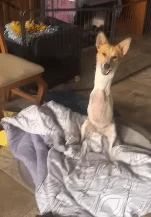
By Day 105, Cleopatra was settling into a home filled with patience, care, and companionship. Navigating new spaces and routines, she met challenges with the same persistence that had carried her all along.
Her relationship with the people and other dogs around her grew, revealing her trust and openness were intact despite everything she had endured. The contrast between her former life as a stray in pain and her current days of safety and play could not be clearer.
The difference was not just physical but deeply emotional—a life no longer defined by survival alone, but also by moments of belonging and comfort.
“Sometimes, the smallest sign of trust is the moment that tells you how far an animal has already come.”
Cleopatra’s journey reveals how resilience can thrive even after extreme hardship. Though she lost both front legs, she never gave up her desire to live fully or to connect with those who cared for her. Her story stands as a testament not just to survival, but to the quiet courage found in embracing change and discovering new ways to move forward.