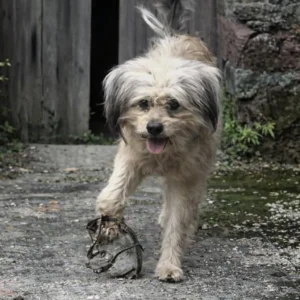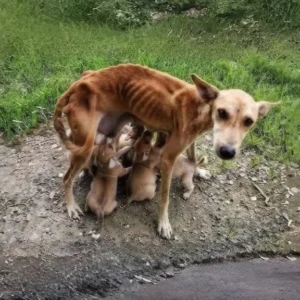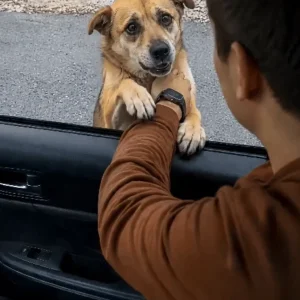
At first glance, the building appeared silent and deserted. The breeding facility had shut down, leaving behind empty rooms and forgotten equipment where once life had been nonstop. Yet, behind locked doors, small dogs remained—mothers curled tightly around their puppies, waiting in a place where food and care had long ceased.
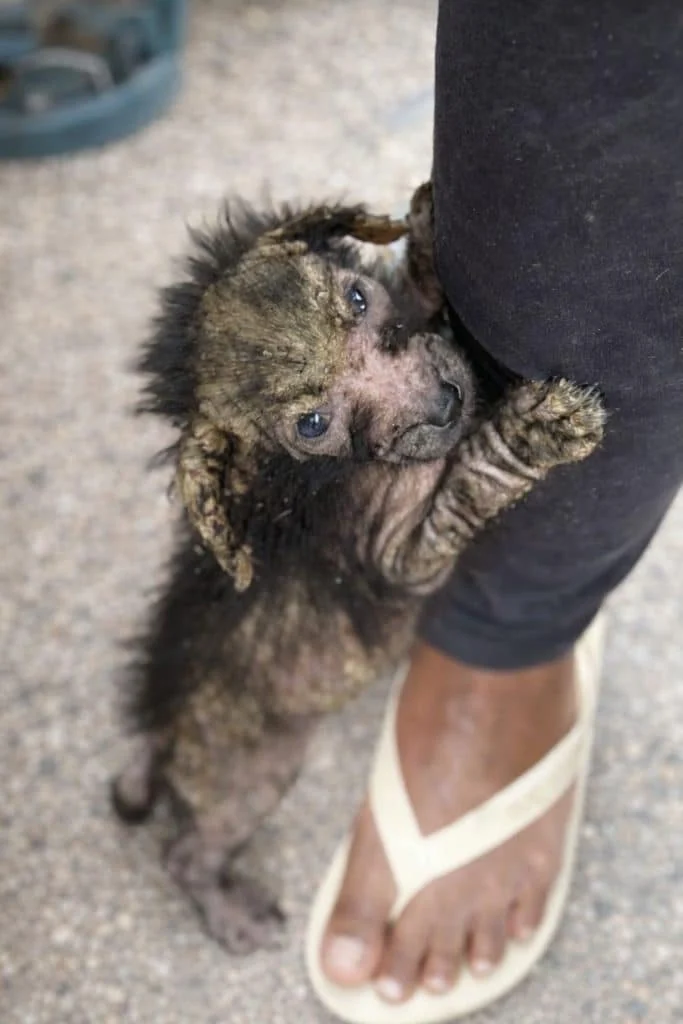
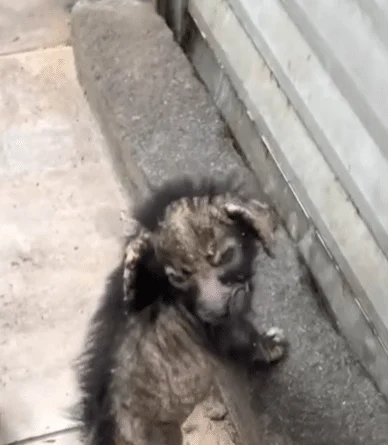
As rescuers cautiously entered, they found these families not abandoned but wary. The dogs were tense and silent, their bodies marked by neglect. Thin frames and missing fur revealed the toll of prolonged absence of proper care. The mothers held their puppies close, instinctively shielding them from unfamiliar presence.
Rather than rushing forward, rescuers lowered their voices and left food nearby. For a time, the only movement was hesitant glances. Hunger slowly overcame hesitation, prompting a few dogs to approach the offerings. It was not trust, but it was the first fragile step toward accepting help, a quiet acknowledgment in the stillness.
Video: Rescuers Slowly Gain Trust of Dogs Inside Abandoned Breeding Facility
Patience Amid Uncertainty
Opening the doors marked only the beginning of a much longer process. The rescue team could not immediately remove the dogs; permissions needed securing, logistics arranged, and challenges addressed. Despite these delays, the thought of leaving the families behind was impossible to accept.
Repeated visits kept the dogs from being forgotten. Slowly, permission came through, transportation was organized, and one by one, the mothers and their puppies were carefully lifted from the confined spaces they had endured for so long. Keeping families together remained crucial; separation would only deepen their fear.
The dogs moved forward, steps uncertain but directed toward care rather than neglect.
The First Quiet Night of Safety
Arriving at the rescue center introduced the dogs to a world unfamiliar yet gentler. Soft blankets covered floors, fresh water was readily available, and meals came without the strain of competition. Each mother found a quiet spot with her puppies, a small sanctuary amid the upheaval.
Yet, tension lingered. Some mothers refused to rest, eyes watchful for any possible threat. Their bodies, though exhausted, remained alert and protective. Caregivers respected this cautiousness, offering meals and gentle care without demanding immediate trust.
As hours passed, exhaustion eased vigilance. One mother finally settled onto a blanket with her puppies pressed close. Another followed. The room fell silent, but now this silence was one of rest—not the hollow absence left behind in the facility.
Healing Beyond the Surface
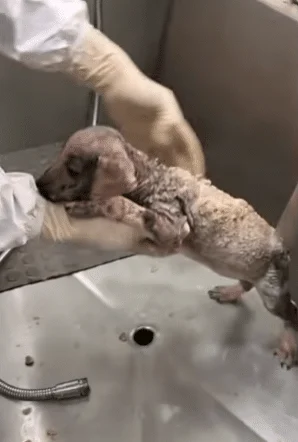
The dogs’ missing fur revealed wounds beneath—skin irritated or inflamed, requiring patient treatment. Caregivers began with warm, gentle baths, mindful of fragile bodies and new hands. Some dogs stiffened in unfamiliar embrace, unsure if touch meant harm or healing.
Treatment was a daily ritual—cleaning, medicating, nourishing. Meals were designed to rebuild strength, and bedding was refreshed to offer comfort. Changes were subtle, unfolding without haste, but the act of consistent care began to rebuild what long neglect had eroded.
Trust grew slowly. Initially, the dogs sought caregivers only when food appeared. Then a mother lingered nearby after eating. A curious puppy reached toward a resting hand. Another accepted a gentle touch. These small moments were signals of progress—evidence that people could enter without taking their families away.
Repeated kindness began eroding fear, replaced gradually by awareness and curiosity.
From Survival to Becoming Themselves
Weeks brought visible changes. Skin softened, new fur grew where bones had once shown through bare patches. Strength returned through steady nourishment. The puppies, once quiet and withdrawn, tentatively explored their new world, testing boundaries and discovering play.
Mothers observed from nearby, some joining in the moments of activity with newfound energy. Individual personalities emerged: some mothers favored quiet companionship, others sought gentle affection. Puppies varied between fearless explorers and cautious observers.
Their shared past had bound them together, but it would not be their only defining story. They were no longer anonymous animals left behind in a closed facility—they had names, needs, and lives beginning anew.
Now safe in warm spaces with regular care, these mothers and puppies rest without constant vigilance. Play replaces stillness, and the future holds the promise of homes where they will be cherished as individuals, not products. Their rescue was possible because someone chose to look beyond an empty building and because persistent efforts refused to let their story end behind closed doors.
“The change was not created by one dramatic moment. It came through persistence. Warm baths. Clean blankets. Meals delivered every day. And gentle hands proving that a different life was possible.”